

How to Prevent Skin Barrier Damage From Shaving
Last Updated: November 13, 2026
Quick Summary
To prevent skin barrier damage from shaving, soften skin with warm water for a minute, apply a thick shaving cream or gel, and wait 30 seconds before the first stroke. Use a sharp blade, light pressure, and shave in the direction your hair grows.
- Warm water softens hair and skin, while lubrication cuts friction from the blade.
- Shave in the direction your hair grows, per the American Academy of Dermatology.
- If skin stings after every shave, drop to every other day to let your barrier recover.
- Skip shaving over retinoids, AHAs, or BHAs, or shave before applying them.
- Replace blades when they start to pull, and avoid alcohol-based aftershave.
Table of Contents
- Start With Pre-Shave Prep to Protect Your Skin Barrier
- How to Shave Sensitive Skin Without Triggering Irritation
- How to Prevent Skin Barrier Damage From Shaving Face and Body
- What to Put on After Shaving to Calm and Support Skin
- Frequently Asked Questions
Start With Pre-Shave Prep to Protect Your Skin Barrier
Your skin barrier is the thin outer layer that locks in water and keeps irritants out. Shaving scrapes across that layer every time the blade moves, so the damage adds up fast. Most shaving irritation starts before the razor ever touches skin.
Here's what most guides get wrong. They focus on the blade and skip the prep. A dull razor on dry skin is a double hit, but so is a sharp razor on skin that was never softened.
The fix is simple, and it takes about two minutes:
- Splash your face or body with warm water and let it sit for a minute.
- Apply a shaving cream or gel thick enough to keep the blade gliding.
- Wait 30 seconds before the first stroke.
Warm water softens hair and skin. Lubrication cuts friction. Together they reduce how much the blade tugs at your barrier.
If you want the full picture on how that outer layer works and why it matters, read our guide on what a skin barrier is.
The prep takes about two minutes and follows three simple steps.
| Step | What to do | Time or frequency |
|---|---|---|
| 1 | Splash face or body with warm water and let it sit | One minute |
| 2 | Apply shaving cream or gel thick enough to keep the blade gliding | Before the first stroke |
| 3 | Wait before the first stroke | 30 seconds |
How to Shave Sensitive Skin Without Triggering Irritation
Sensitive skin needs less, not more. Fewer passes, lighter pressure, and a clean, sharp razor do more for reactive skin than any fancy product.
Start with a razor that has a fresh blade. A dull blade drags and forces you to press harder, which is where redness begins. Rinse the razor after every stroke and store it somewhere dry, not in a damp shower caddy. Keeping the blade clean and dry also helps limit irritation, while Rusty Blade Barber offers another perspective on preventing razor burn.
Then follow this order:
- Shave in the direction your hair grows, not against it (the American Academy of Dermatology).
- Use light pressure and let the blade do the work.
- Skip repeat passes over the same spot.
- Rinse with cool water when you finish.
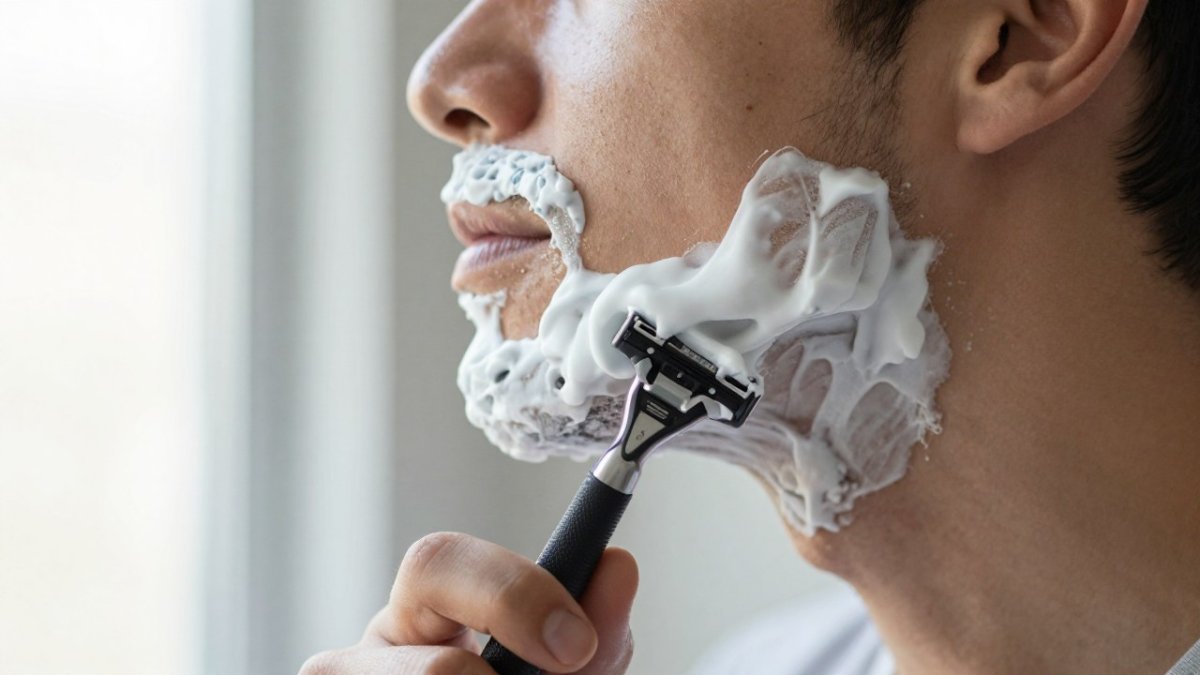
Shaving frequency matters too. If your skin stings after every shave, drop to every other day and give your barrier time to recover. Many people find two to three shaves a week is the sweet spot for reactive skin.
For a step-by-step routine built around redness-prone skin, see our guide on how to soothe facial redness naturally. And if you're weighing product options, this look at a gentle alternative for sensitive skin may help you compare.
How to Prevent Skin Barrier Damage From Shaving Face and Body
The face and body need slightly different handling. Facial skin is thinner and more exposed, so it tolerates less pressure and fewer passes. Legs, underarms, and other body areas can take a bit more, but the same rules apply.
Here's how to prevent skin barrier damage from shaving on each area:
Face: Use short strokes, rinse the blade often, and never go over the same patch twice. Skip shaving over active breakouts.
Body: Shave after a warm shower when hair is soft. Use a moisturizing shave cream and rinse with cool water.
Anywhere: Replace blades when they start to pull. A clean, sharp razor is the single biggest upgrade you can make.
Watch out: shaving over retinoids, AHAs, or BHAs is a common cause of stinging and peeling. If you use these, shave before applying them, or skip shaving that day.
What to Put on After Shaving to Calm and Support Skin
Post-shave care is where the barrier gets rebuilt. Skip the alcohol-based aftershave, which stings and strips moisture. Reach for soothing, hydrating products instead.
Pat your skin dry and apply a moisturizer with ceramides to help hold water in. If you deal with redness, a calming mist can help settle the skin before you moisturize.
Our Recovery Spray is a skin-supportive hypochlorous acid mist. It's non-comedogenic and has no added fragrance. Spritz it on clean, dry skin, let it absorb, then follow with moisturizer.
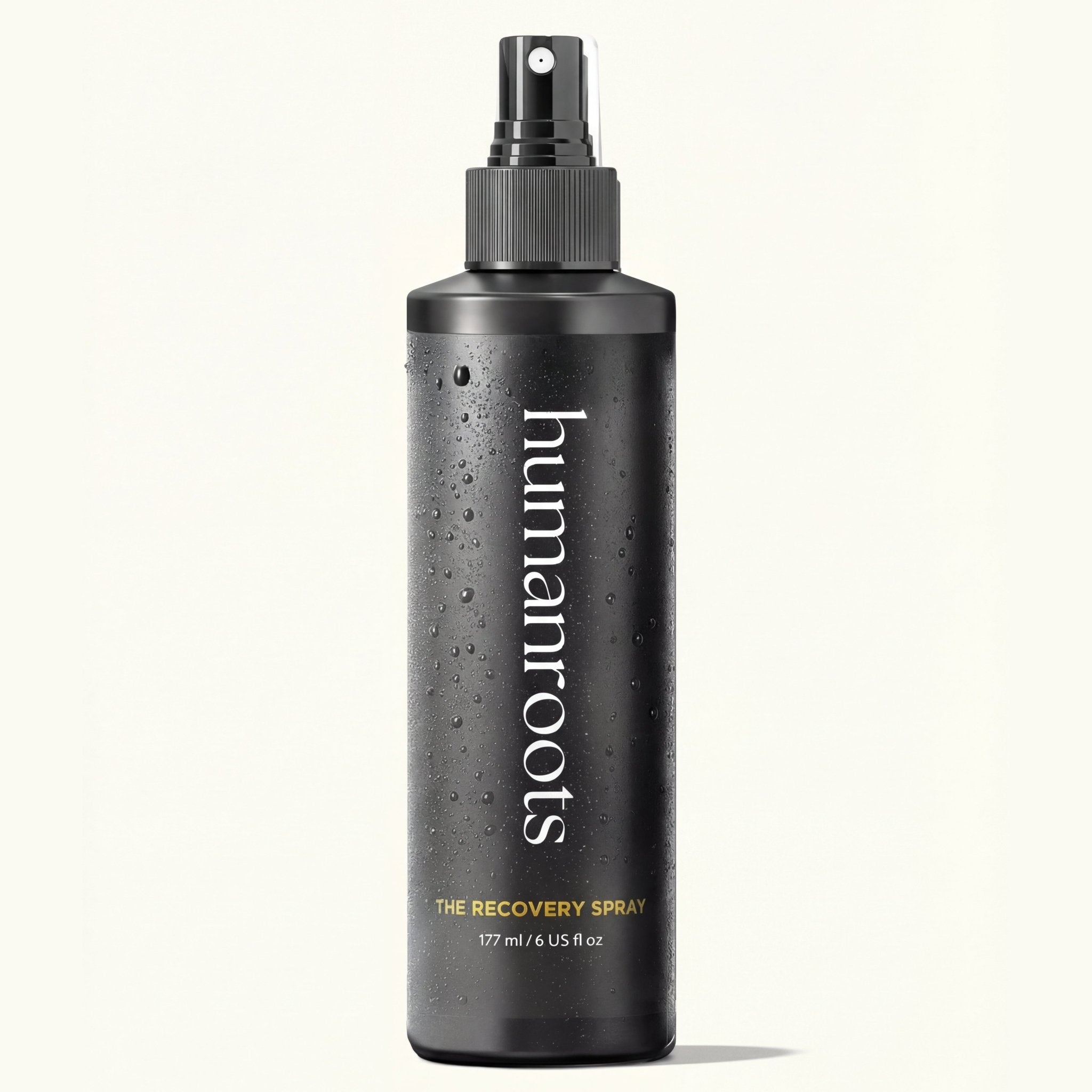
If redness is your main concern, this article on the best hypochlorous acid spray for redness explains how to work it into a simple routine.
One customer, Sarah M., put it this way: "After a couple weeks, my skin looked less reactive, breakouts didn't flare the same, and everything just felt more calm and under control."
Shaving doesn't have to leave your skin angry. Prep well, use a clean sharp razor, go light on pressure, and calm the skin afterward. That's the whole routine, and it works.
At humanroots, we built our Recovery Spray to make that last step easy. It calms irritation, supports the skin barrier, and fits into a routine you'll actually keep. Ready to give your skin a reset? Get started with humanroots and shop the Recovery Spray today.
Frequently Asked Questions
Can shaving damage your skin barrier?
Yes. Shaving removes the top layer of dead skin cells, and rough technique, a dull razor, or too much pressure can strip lipids and leave skin red and reactive. That is skin barrier damage, and it shows up as tightness, stinging, or flaking. You can lower the risk by shaving with a clean, sharp razor, using a lubricating shave cream, and applying a gentle moisturizer afterward.
How often should you shave sensitive skin?
Give reactive skin at least a day between shaves when you can, and skip shaving over redness or irritated patches until they settle. If you must shave daily, keep passes light and use a fresh blade. Watching how your skin feels the day after each shave tells you more about your safe frequency than any fixed schedule.
What should you put on after shaving to help skin recover?
Reach for a fragrance-free moisturizer with ceramides to support barrier repair, and avoid alcohol-based aftershaves that sting. A soothing mist like The Recovery Spray ($19.99) with hypochlorous acid can calm irritation and is non-comedogenic with no added fragrance. Pat skin dry, apply your product gently, and skip exfoliating acids for a day or two.
