

How to Fix a Damaged Skin Barrier: A Gentle Guide
Last Updated: November 19, 2026
Quick Summary
A damaged skin barrier is usually calmed by pausing exfoliants and actives, switching to a gentle soap-free cleanser, and using lukewarm water with a simple fragrance-free moisturizer. Stinging, tightness, and flaking often ease within a few weeks, while full recovery can take longer depending on severity.
- Pause physical scrubs, acids, and retinoids for two to four weeks while the barrier heals.
- Use a mild, fragrance-free cleanser once or twice a day and pat skin dry.
- Rinse with lukewarm water and keep showers brief to limit moisture loss.
- Apply a rich, fragrance-free moisturizer to slightly damp skin at night.
- Reintroduce one gentle active at a time, starting after about two calm weeks.
Table of Contents
- What Your Skin Barrier Does and Why It Gets Damaged
- How to Know Skin Barrier Is Damaged
- Step-by-Step: How to Fix a Damaged Skin Barrier
- How to Repair Skin Barrier Overnight (and What Realistically Happens)
- Skin Barrier Repair Products: What to Look For
- How to Heal Skin Barrier Naturally at Home
- Reintroducing Actives Safely and a Realistic Recovery Timeline
- Your Next Step: Starting a Simple Barrier Recovery Routine
- Frequently Asked Questions
Your skin barrier is the outermost shield that keeps moisture in and irritants out, and when it is damaged, nearly everything feels worse: stinging, tightness, redness, and products that suddenly irritate. The good news is that a damaged barrier can usually be calmed with a simpler routine and a little patience. This guide walks you through what the barrier does, how to tell it is damaged, and the gentle steps that help it recover.
What Your Skin Barrier Does and Why It Gets Damaged
The skin barrier is the outer layer of your skin that holds water in and keeps irritants, bacteria, and environmental stressors out. Think of it as a brick-and-mortar wall: the "bricks" are skin cells and the "mortar" is a blend of lipids such as ceramides, fatty acids, and cholesterol. For a simple, dedicated explainer on what the skin barrier is, start there before going further.
The Stratum Corneum and Moisture Loss
The outermost part of this barrier is the stratum corneum. When it is intact, it limits transepidermal water loss, the steady evaporation of moisture from deeper skin. When the stratum corneum is compromised, water escapes more easily, and dehydrated, tight, or flaky skin often follows.
Common Causes of Barrier Damage
Barrier damage rarely has one cause. Over-cleansing with harsh soaps, hot showers, abrasive scrubs, and frequent use of strong exfoliating acids or retinoids can all strip the mortar. Cold, dry air and low humidity speed up moisture loss, and environmental pollution adds further stress. Many people also damage their barrier by layering too many active products at once, which leaves the skin no time to recover.
How to Know Skin Barrier Is Damaged
A damaged barrier usually announces itself with a cluster of signs rather than one dramatic symptom. Common ones include stinging or burning when you apply products that used to feel fine, tightness after cleansing, visible flaking, a rough or uneven texture, and new sensitivity to fragrance or ingredients you have used for years.
A Symptom Checklist: Barrier Damage vs. Acne, Rosacea, Eczema, or Allergy
Several skin conditions can look similar, so it helps to compare patterns. Check the boxes that match what you notice:
- Stinging or burning with products you have used safely before (suggests barrier damage)
- Tightness and dryness that improve when you simplify your routine (suggests barrier damage)
- Persistent redness that flushes with heat, alcohol, or spicy food (often associated with rosacea)
- Itchy, scaly patches that flare in specific areas such as the elbows or behind the knees (often associated with eczema)
- Red, raised bumps or hives that appear soon after exposure to a specific product or substance (may suggest an allergic reaction)
- Clogged pores, whiteheads, or inflamed bumps mainly on the T-zone or jawline (more typical of acne)
If several items point to barrier damage, start with the gentle steps below. If your symptoms are severe, spreading, painful, or do not improve, check in with a dermatologist, since they can tell these conditions apart reliably.
Step-by-Step: How to Fix a Damaged Skin Barrier
Recovery works best when you remove the stressors first and then rebuild gently. These three steps form the foundation.
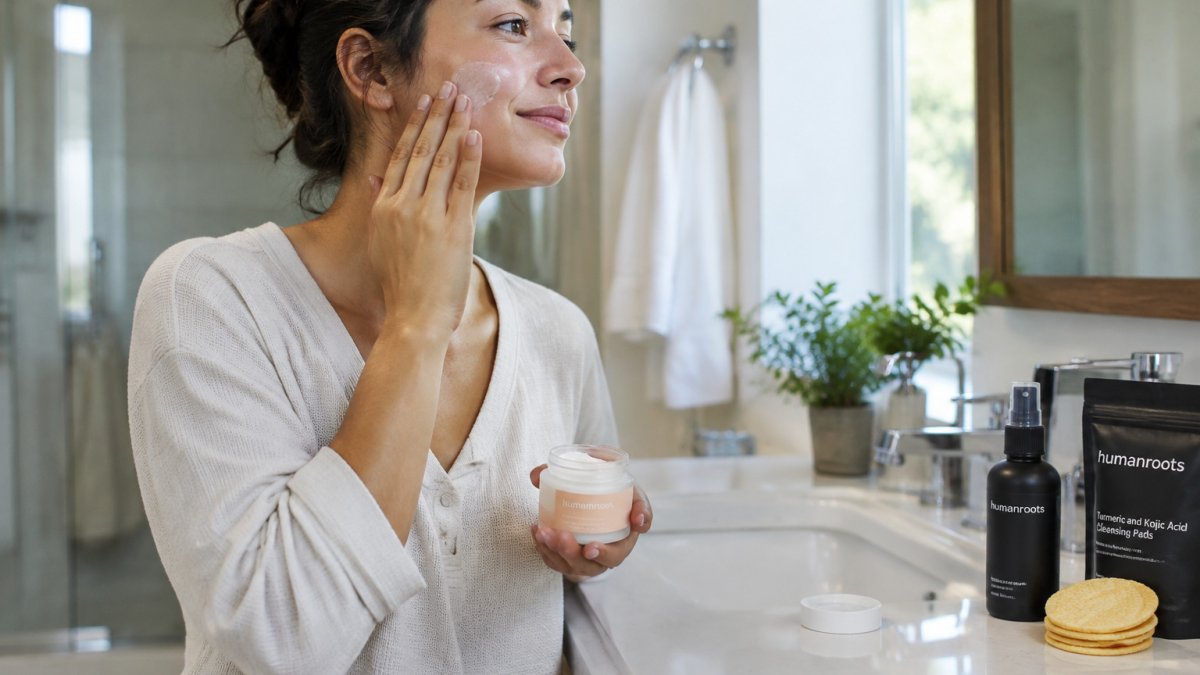
Step 1: Pause Exfoliants and Active Ingredients
Stop using physical scrubs, chemical exfoliants such as glycolic or salicylic acid, and retinoids for now. Many people stop for two to four weeks while the barrier starts to heal.
Step 2: Switch to a Gentle, Soap-Free Cleanser
Choose a mild, fragrance-free cleanser that rinses clean without leaving your skin tight. Use it once or twice a day, massaging lightly with your fingertips and avoiding harsh rubbing. Pat your face dry rather than wiping it.
Step 3: Use Lukewarm Water and Limit Exposure
Hot water strips natural oils, so rinse with lukewarm water and keep showers brief. Watch out: long, steamy showers and frequent face washing can undo progress even when your products are gentle. Keep contact with water and irritants to a minimum while your skin recovers. If you are wondering whether you can keep wearing makeup during this time, our guide on makeup use on a compromised barrier covers what to choose and when to take a break.
How to Repair Skin Barrier Overnight (and What Realistically Happens)
You cannot fully repair a damaged barrier overnight, but you can give it the conditions to start healing. A rich, fragrance-free moisturizer applied to slightly damp skin at night helps lock in hydration, and many people notice less tightness by morning. Real barrier recovery is a gradual process that usually takes several weeks, so judge progress over days and weeks rather than one night.
Skin Barrier Repair Products: What to Look For
When you are shopping during recovery, the goal is not a bigger routine, it is a shorter one built from a few boring, reliable products. A gentle cleanser, one moisturizer, and a daily sunscreen cover most of what a healing barrier needs. Everything else is optional until your skin is calm again.
What Each Ingredient Class Actually Does
Barrier-supporting ingredients fall into three practical groups, and a good moisturizer usually combines at least two of them:
- Ceramides, fatty acids, and cholesterol. These are the lipids that make up the "mortar" between skin cells. Ceramide-based creams are one common option for replacing the lipids that cleansing and actives can strip away.
- Humectants such as glycerin, hyaluronic acid, and panthenol. These pull water into the upper skin layers. On their own they can feel hydrating but leave skin tight again within an hour, so pair them with an occlusive layer on top.
- Occlusives such as petrolatum, squalane, and dimethicone. These slow water loss by forming a light seal. A thin layer of petrolatum over moisturizer at night is a classic, inexpensive way to cut moisture loss while skin recovers.
Niacinamide is an ingredient some people use for barrier support and redness, but compromised skin can sting at higher concentrations. If you want to try it, look for a lower-strength formula and patch-test first.
Ingredients That Commonly Sting Compromised Skin
A product can be "natural" and still irritate a damaged barrier. Watch for these on the label during recovery:
- Fragrance and essential oils (lavender, citrus, peppermint, eucalyptus), common triggers for stinging and redness.
- Denatured alcohol high on the ingredient list, it evaporates quickly and can leave skin tighter.
- Strong acids and high-strength retinoids, obvious, but they also hide in toners, pads, and "glow" serums.
- Physical scrubs and cleansing brushes, the grit and friction do more harm than good while skin is healing.
- Witch hazel and menthol, cooling at first, often drying over time.
A simple test: apply a new product to a small patch near your jaw for two or three nights before using it on your whole face. If it stings, burns, or turns the area red, set it aside and try again in a few weeks.
Building a Minimal Recovery Kit
You do not need ten steps. A workable recovery routine looks like this:
- Cleanser: a fragrance-free, soap-free formula, used once or twice a day.
- Moisturizer: a ceramide-based cream, applied to slightly damp skin morning and night.
- Sunscreen: a broad-spectrum SPF 30 or higher, every morning, since recovering skin is more vulnerable to sun damage.
- Optional overnight seal: a thin layer of petrolatum or a dedicated barrier balm on dry patches.
That is the whole routine. If you want a lightweight step that fits between cleansing and moisturizing, our The Recovery Spray is a fragrance-free, non-comedogenic mist made with hypochlorous acid, a molecule your body produces naturally, and it is priced at $19.99. For more on what to consider before buying, read our buying guide for the recovery spray, and if you are comparing gentle options for sensitive skin, our alternatives guide for sensitive skin walks through a few directions.
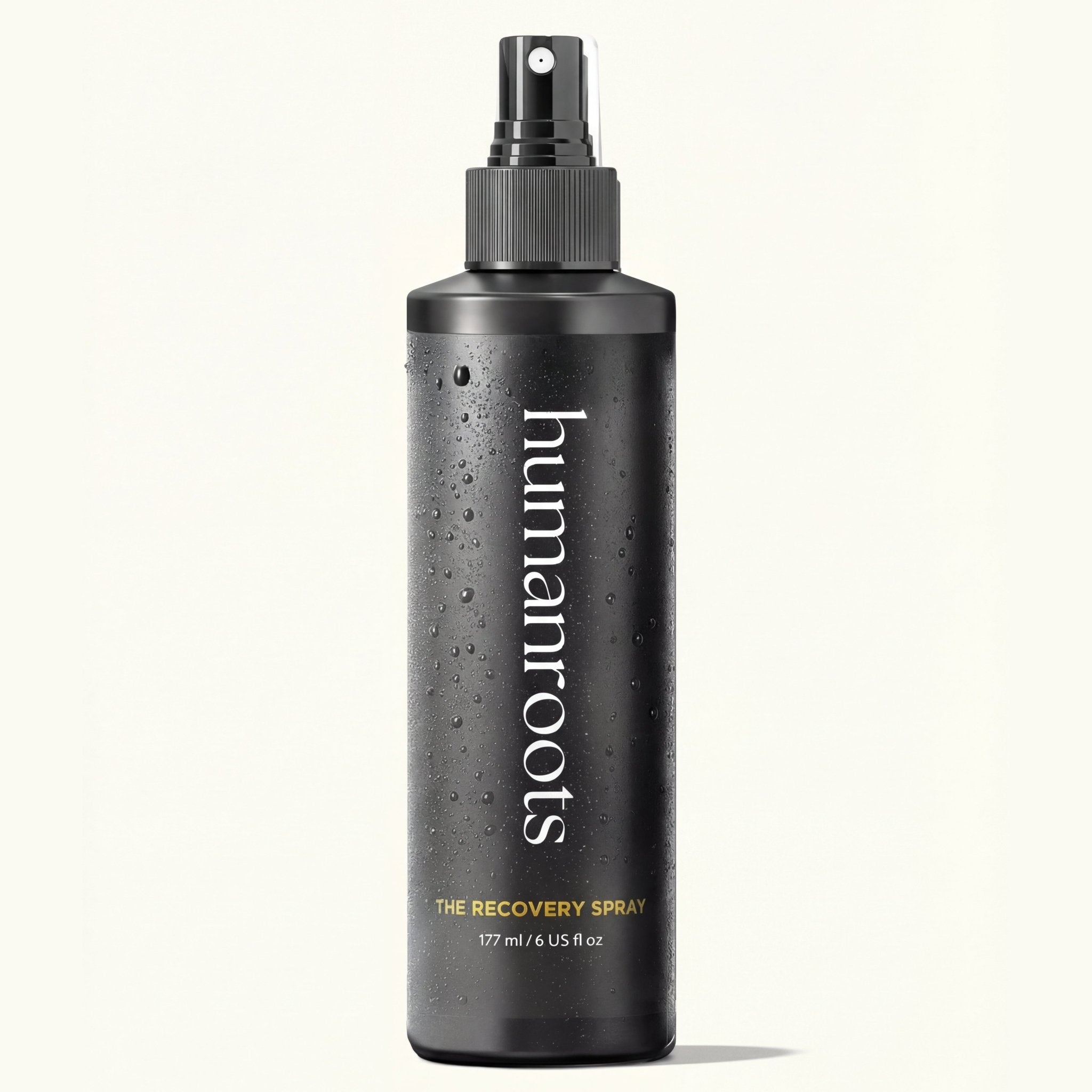
Watch out: more products rarely mean faster healing. Every extra step is another chance for irritation, so add nothing new until your skin has been comfortable for at least a week.
How to Heal Skin Barrier Naturally at Home
Many people look for natural ways to support healing, and a few gentle habits help: staying hydrated, using a humidifier in dry rooms, wearing a broad-spectrum sunscreen daily, and keeping your routine short.
What Home Remedies Can and Cannot Do
Home remedies can support comfort and hydration, but results vary. Honey masks, oils applied to broken skin, and DIY scrubs can irritate the skin. A practical rule is to keep home care simple and reserve professional advice for symptoms that persist.
Reintroducing Actives Safely and a Realistic Recovery Timeline
Pausing actives is the easy part. The harder question is when and how to bring them back without undoing your progress. Treat recovery as a series of stages rather than a single countdown, and let your skin, not the calendar, decide when to move forward.
A Realistic Recovery Timeline
Recovery timelines vary, but many people notice some improvement within a few weeks of gentle care. Severity matters: a mild flare from a new serum may settle in a week or two, while a barrier worn down by months of over-exfoliation can take six to eight weeks or longer.
A rough stage-by-stage picture:
- Days 1-7: Stinging and tightness start to ease. Skin may still flake. Keep the routine to cleanser, moisturizer, and sunscreen.
- Weeks 2-3: Less tightness after cleansing, fewer flakes, and products that used to sting feel tolerable. This is the earliest point to consider reintroducing one gentle active.
- Weeks 4-6: Hydration feels more stable through the day, and redness has faded. Most people can return to a partial version of their previous routine here.
- Weeks 6-8 and beyond: Tolerance to stronger actives returns gradually. Full recovery is not a straight line, a bad day after a long shower or a cold snap is normal.
Milestones to watch for: no sting when you apply moisturizer, no tightness ten minutes after cleansing, and no new redness after a product you have used for a week. If any of those slip backward, drop to the basics for another week.
How to Reintroduce Actives Step by Step
Once your skin has been calm and comfortable for about two weeks, restart with one product at a time:
- Pick the gentlest active first. A low-strength lactic or mandelic acid, or a low-concentration niacinamide, is a safer starting point than a strong glycolic acid or a retinoid.
- Start at two nights a week. Apply to dry skin, follow with moisturizer, and keep the rest of the routine unchanged.
- Hold for two weeks. If there is no stinging, redness, or flaking, add a third night. If there is, back off to once a week or pause again.
- Add only one new product at a time. Wait at least two weeks before introducing the next active so you can tell what caused a reaction.
- Save retinoids for last. They are the most likely to re-irritate a healing barrier, so reintroduce them after your skin has tolerated an acid for a few weeks, and start with a pea-sized amount two nights a week.
Watch out: "buffering" a retinoid by applying moisturizer first can reduce irritation, but it does not make it safe to jump back to nightly use. Build the frequency back up over weeks, not days.
When to Stop and Seek Help
If you see new redness, burning, or swelling after reintroducing an active, pause it and return to the basics. Persistent symptoms that do not improve after several weeks of gentle care, or that spread, blister, or become painful, are a signal to check in with a dermatologist rather than keep experimenting at home.
Here is a quick stage-by-stage view of what healing typically looks like, based on the timeline above.
| Stage | What you may notice | What to do |
|---|---|---|
| Days 1-7 | Stinging and tightness start to ease | Keep routine to cleanser, moisturizer, sunscreen |
| Weeks 2-3 | Less tightness, fewer flakes | Consider reintroducing one gentle active |
| Weeks 4-6 | Steadier hydration, faded redness | Return to a partial previous routine |
| Weeks 6-8+ | Gradual return of tolerance | Expect setbacks; keep steps gentle |
Your Next Step: Starting a Simple Barrier Recovery Routine
Repairing a damaged skin barrier comes down to removing stressors, keeping the routine gentle, and giving your skin time.
Frequently Asked Questions
How long does it take to fix a damaged skin barrier? Most people notice improvement within a few weeks of gentle care, though full recovery can take longer depending on how severe the damage was.
Can I wear makeup while my skin barrier is healing? You can, but choose lightweight, fragrance-free products and remove them gently each evening. If makeup stings or causes more redness, take a break until your skin settles.
Should I stop moisturizing if my skin feels oily? No. Oiliness can be a sign of irritation, and a barrier that is missing moisture often overproduces oil. Keep using a light, non-comedogenic moisturizer.
Is it safe to exfoliate once my skin feels better? Wait until your skin has been calm and comfortable for a couple of weeks, then reintroduce gentle exfoliation slowly, one or two times a week at most.
Frequently Asked Questions
What is the fastest way to heal a damaged skin barrier?
The fastest path is to stop the things that are stressing your skin: pause exfoliants, retinoids, and acids, switch to a gentle soap-free cleanser, use lukewarm water, and apply a simple fragrance-free moisturizer twice a day. Many people notice less stinging and tightness within a few days, but full recovery usually takes several weeks. A non-comedogenic option like The Recovery Spray, which is formulated with hypochlorous acid and contains no added fragrance, can fit into this routine as a daily mist. If irritation is severe, spreading, or painful, see a dermatologist.
How long does it take to heal a damaged skin barrier?
Recovery time depends on how severe the damage is, and many people see gradual improvement with a simplified routine. Recovery is not always linear: a flare can follow a single harsh product or a hot shower. Track how your skin feels in the morning and evening rather than judging it day to day. If dryness, redness, or stinging persists beyond a month of gentle care, a dermatologist can help rule out other conditions.
What should you stop using when your skin barrier is damaged?
Pause physical scrubs, chemical exfoliants such as AHAs and BHAs, retinoids, and high-strength vitamin C while your skin recovers. Also avoid foaming cleansers with strong sulfates, hot water, and heavily fragranced products. Once your skin feels comfortable for several weeks, you can reintroduce one active at a time, starting with a low concentration two or three nights per week, and watch for stinging or redness before increasing frequency.
How can you tell if your skin barrier is damaged?
Common signs include stinging when you apply products, tightness after washing, flaking, rough texture, persistent redness, and skin that reacts to products it previously tolerated. Damage can also show up as increased sensitivity to weather or sun. Because these symptoms overlap with other conditions, a dermatologist is the right person to confirm the cause.
Can you repair a damaged skin barrier without products?
Yes, many people improve barrier function by simplifying their routine alone: cleansing gently, using lukewarm water, patting skin dry, avoiding friction, and wearing sunscreen daily. Products are not strictly required, but a basic fragrance-free moisturizer helps hold water in the outer layer while it heals. Some people find home remedies such as oatmeal or honey comforting, though results vary. Focus first on removing irritants.
