

How Long to See Skincare Results Realistically
Last Updated: November 16, 2026
Quick Summary
Most people start to notice real skincare results within four to six weeks of steady use, since skin renews itself slowly over several weeks. Slower concerns like dark spots, fine lines, and texture can take three months or longer. Judge a routine after a full skin cycle rather than a few days.
- Skin renews slowly, so a few days of use rarely shows any real change.
- Hydration can improve within days, while calmer redness often takes a few weeks.
- Dark spots and uneven tone may take three to four months to show clear change.
- Track progress with weekly photos taken in the same light and angle.
- Use daily sunscreen, since sun exposure can darken spots and stall progress.
Table of Contents
- Why Skincare Results Take Time: How Your Skin Cycle Works
- Typical Timelines for Skincare Results by Ingredient
- Skincare Results Timeline by Concern: Acne, Dark Spots, Redness, Dryness, and Fine Lines
- How to Tell If Your Skincare Routine Is Working
- Purging, Irritation, or a Breakout: How to Tell the Difference
- How Long Does It Take for Skincare to Absorb and Work Each Day
- How Long Does It Take to See Skincare Results for Wrinkles and Fine Lines
- Building a Simple Routine You Can Stick With and Judge Fairly
- Frequently Asked Questions
Why Skincare Results Take Time: How Your Skin Cycle Works
Most people expect skincare to work overnight. It rarely does. Real change in the skin takes weeks, and sometimes months, because skin renews itself slowly. This is one of the most common questions people ask, so let's walk through what is actually happening beneath the surface.
Skincare can bring slow, steady progress when you know what to expect. Your skin renews its outer layer through a natural process called the skin cycle, sometimes called skin-cell turnover. New cells form deep in the skin, move upward, and eventually shed from the surface.
The skin cycle works in roughly these steps:
- New skin cells form in the deepest layer of the skin.
- The cells slowly move toward the surface over several weeks.
- The top layer dries out and sheds, making room for fresh skin.
- Fresh skin takes time to firm up and even out in tone.
Because this cycle moves slowly, a product can only show its effect after your skin has gone through a few turns of it. A single week is rarely enough to judge anything. Many people find that they need at least four to six weeks before they can tell whether a routine is helping.
Watch out: Stopping a product after three days because nothing changed is one of the most common mistakes. Give your skin time to complete a cycle before deciding.
Typical Timelines for Skincare Results by Ingredient
Different ingredients work at different speeds. Some act on the surface and show quick changes, while others need repeated use to rebuild the skin over time. The table below gives a general sense of what many people experience, not a promise for every skin type.
| Ingredient Type | Common Goal | Early Signs | Typical Time to Notice Change |
|---|---|---|---|
| Hydrating ingredients (glycerin, hyaluronic acid) | Plumper, softer skin | Feels more comfortable | Days to two weeks |
| Gentle exfoliants | Smoother, brighter look | Less dullness | Two to four weeks |
| Niacinamide | Calmer, more even tone | Less redness | Four to eight weeks |
| Vitamin C | Brighter appearance | Subtle glow | Four to twelve weeks |
| Retinoid-type ingredients | Texture and fine lines | Mild dryness at first, then smoother skin | Twelve weeks or more |
Keep in mind that these ranges are general. Your own skin, your routine, and how consistently you apply a product all shape how quickly you notice changes.
Skincare Results Timeline by Concern: Acne, Dark Spots, Redness, Dryness, and Fine Lines
Ingredient timelines tell you how a product behaves. Concern timelines tell you what to actually watch for. The two are related but not the same, because the same ingredient can move one concern faster than another. Below is a concern-by-concern view with what changes first, what takes longer, and how severity shifts the estimate.
Breakouts. The first change most people notice is fewer new breakouts, often within four to six weeks of steady use. Existing spots fade more slowly because the skin has to clear pigment left behind, which can take two to three months. Mild, occasional breakouts tend to respond faster than deep, frequent ones. If you are using a new active ingredient, some early bumps may be purging rather than a true breakout, so give it a few weeks before deciding.
Dark spots and uneven tone. Tone changes are among the slowest to show because pigment sits in the deeper layers and surfaces gradually. A common pattern is subtle lightening at around eight to twelve weeks, with clearer change by three to four months. Daily sunscreen is not optional here: sun exposure can darken spots and undo progress, so a routine without consistent sun protection will often stall.
Redness. Calming can appear within a few weeks, especially if the routine removes irritating steps and supports the skin barrier. Persistent redness that does not settle, or that comes with stinging or swelling, is a signal to simplify and check in with a dermatologist rather than push through. For gentle, step-by-step ways to soothe facial redness naturally while you judge your progress, see our guide.
Dryness. Hydration is the fastest concern to improve, often within days, because surface moisture levels change quickly. A stronger barrier, which is what keeps skin comfortable over time, usually takes several weeks of consistent moisturizing and gentle cleansing.
Fine lines. Smoothing is the slowest change. Hydration can soften the look of lines almost immediately, but real texture improvement typically builds over three to six months. Deeper lines respond more slowly than fine ones, and no routine erases every line, so set expectations around softening rather than removal.
Severity matters across every concern. Mild cases often land at the early end of these ranges, while more persistent cases sit at the later end. Your skin type and age also shift the estimate: oilier skin may see breakout changes sooner, while drier or more mature skin may need longer for tone and texture. The Clear Skin Duo and Turmeric + Kojic Acid Cleansing Pads are designed for everyday use. You can read more about setting up a simple two-step routine in our guide to a two-step skincare routine for dark spots.
Watch out: Judging a concern by a single bad skin day is misleading. Track the trend over weeks, not the snapshot in the mirror.
How to Tell If Your Skincare Routine Is Working
Most people judge skincare by how their skin looks on any given morning. That is the least reliable way to measure progress, because skin fluctuates with sleep, stress, weather, and hormones. A simple testing and tracking method turns vague timelines into something you can actually act on.
Introduce one product at a time. Start a new product and use it for two to four weeks before adding anything else. This is the only way to know which product caused a change, good or bad. If you start three products in the same week, you lose the ability to judge any of them.
Take a weekly photo. Once a week, in the same room, same light, same angle, take a clear photo with no makeup. Memory is poor at detecting slow change, but side-by-side photos at four and eight weeks make progress obvious. Keep the photos in one folder so you can compare them easily.
Record symptoms, not just appearance. Note how your skin feels: tightness, stinging, flaking, or comfort. A short note each week is enough. Feeling is often a faster signal than looking, especially for barrier health and irritation.
Use a simple four-to-six week checkpoint. At the end of four to six weeks, compare your photos and notes. If the trend is calmer skin, fewer new breakouts, more even tone, or smoother texture, the routine is working and you can keep going. If nothing has changed at all, it may be too early for slow concerns like tone and fine lines, so extend the checkpoint to eight to twelve weeks before deciding.
Separate purging from irritation from a breakout. Purging tends to show up as small bumps in areas where you normally break out, often in the first few weeks of a new active ingredient, and it settles. Irritation usually brings redness, stinging, or dryness, sometimes across the whole face. A breakout can appear anywhere, may be deeper or more painful, and does not always clear once the product is stopped. If you feel burning, swelling, or pain, stop the new product and rinse with lukewarm water. If your skin does not settle within a few weeks, or if you have concerns about your skin, talk with a dermatologist or other qualified health professional.
Know when to stop. Stop a product if irritation persists beyond a few weeks, if symptoms worsen, or if you notice signs of an allergic reaction such as swelling or a spreading rash. Stopping an unsuitable product early is not failure; it is how you protect your skin and keep the rest of your routine on track.
Keep daily habits steady. Sunscreen protects against the sun damage that slows fading and darkens spots, so skipping it can undermine an otherwise good routine. Sleep, hydration, and gentle handling of your skin all support steady progress. If you want a closer look at what a healthy-looking routine can achieve, start with our article on how long it takes to see fewer breakouts.
Purging, Irritation, or a Breakout: How to Tell the Difference
Sometimes skin looks worse before it looks better. This can be confusing, so it helps to know the difference.
- Purging tends to show up as small bumps in areas where you normally break out, often in the first few weeks of a new active ingredient.
- Irritation usually causes redness, stinging, or dryness, sometimes across the whole face.
- A breakout may appear anywhere, can be deeper or more painful, and does not always go away once the product is stopped.
If you feel burning, swelling, or pain, stop using the new product and rinse your face with lukewarm water. Those signs suggest irritation rather than purging. If your skin does not settle within a few weeks, or if you have concerns about your skin, talk with a dermatologist or other qualified health professional.
How Long Does It Take for Skincare to Absorb and Work Each Day
Absorption and results are two separate things. A product can feel absorbed in a minute, yet its benefits build over weeks. Most lightweight creams and sprays sink in within a minute or two. Thicker products may take longer.
Daily habits matter too. Sunscreen protects your skin from sun damage that can slow fading and darken spots. Sleep, hydration, and gentle handling of your skin all support steady progress. Skipping sunscreen can undo the benefits of even a great routine.
How Long Does It Take to See Skincare Results for Wrinkles and Fine Lines
Fine lines respond slowly. Hydration can make lines look softer almost right away, but true smoothing takes consistent use over several months. Expect to give most routines at least three months before judging them, and longer for deeper concerns.
Be honest with yourself about what skincare can do. It can improve texture and the look of fine lines, but it cannot erase every line. Set realistic goals, and track them with your weekly photos.
Building a Simple Routine You Can Stick With and Judge Fairly
The best routine is the one you actually use. For busy schedules, keep it short: cleanse, treat, protect. Use the same few products every day so you can see what is working.
A busy professional might do this each morning:
- Rinse or gently cleanse your face.
- Apply a light spray or treatment.
- Finish with sunscreen.
At night, repeat the cleanse and add a moisturizer or treatment you have already tested. Try to change only one thing at a time, so you know which product made a difference.
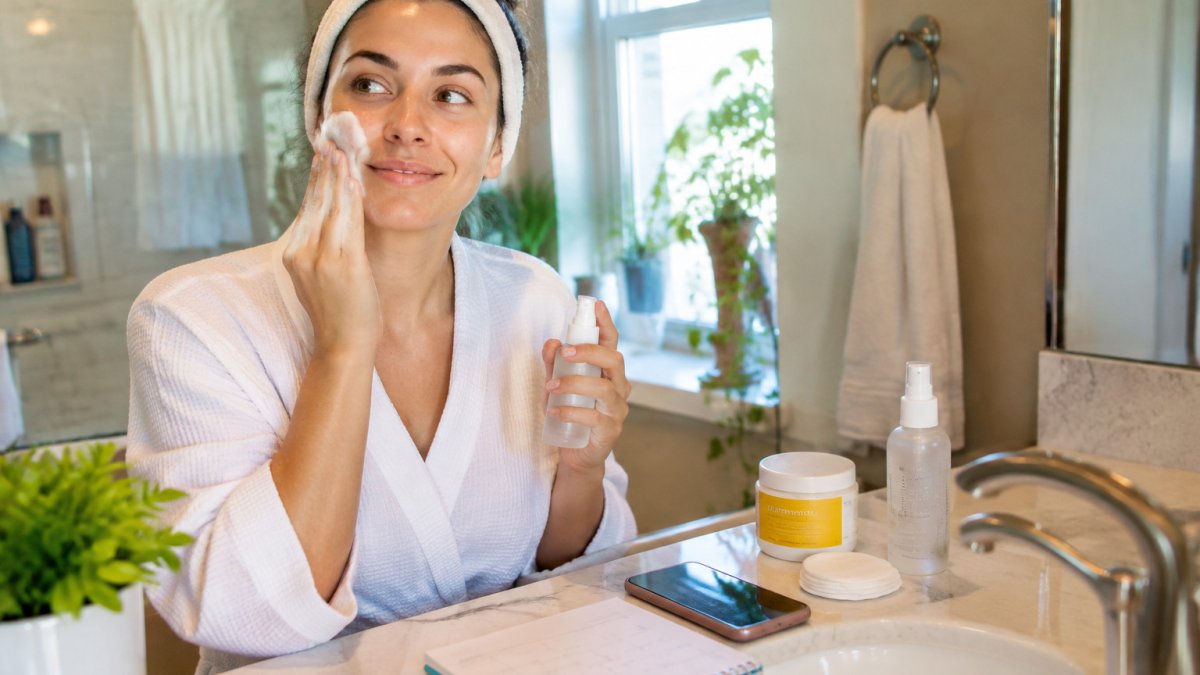
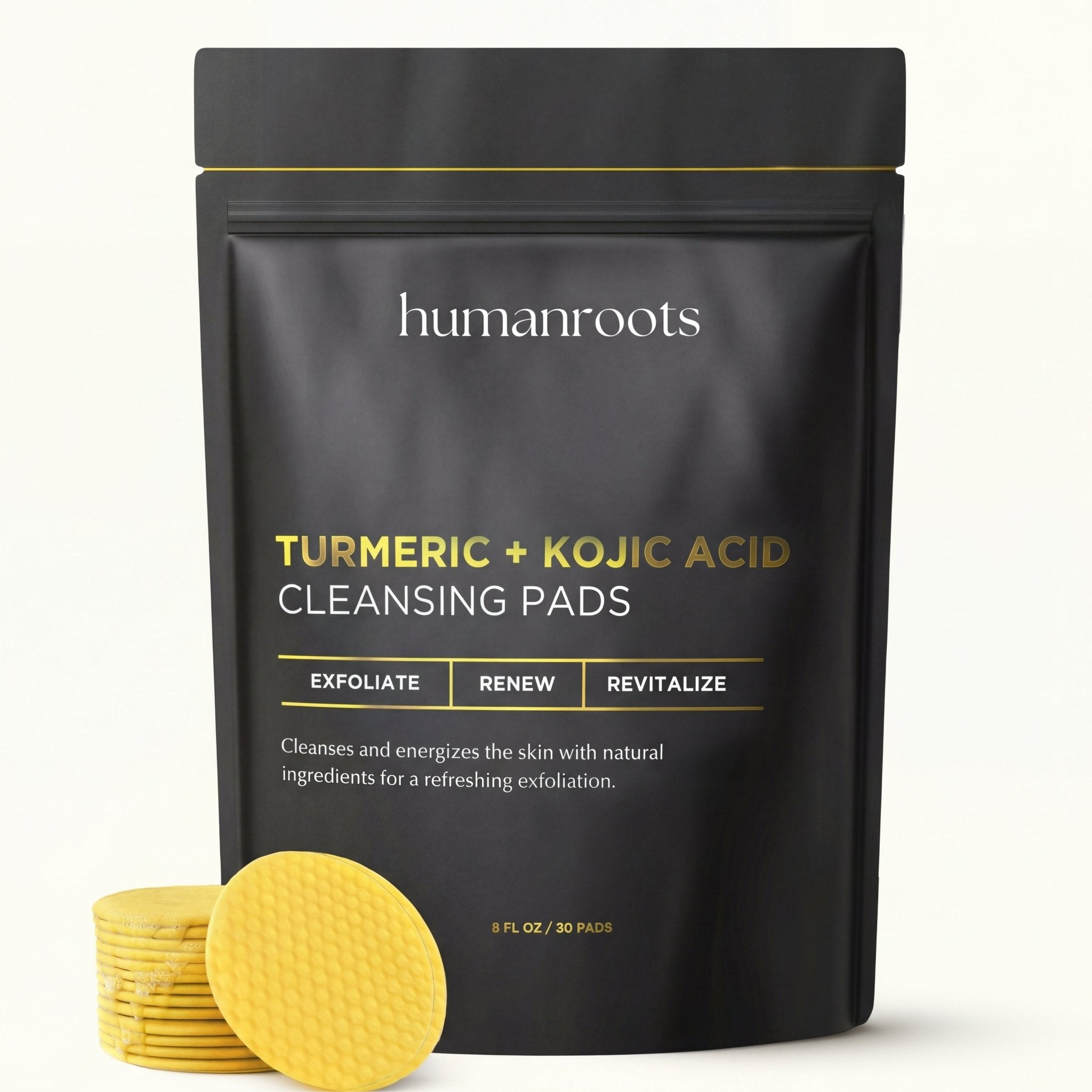
For a routine built around simplicity, you can explore the simple skincare routine for busy professionals and see how the pieces fit together. To try the two-step set, you can view The Clear Skin Duo for $49.48, or the Turmeric + Kojic Acid Cleansing Pads for $34.99.
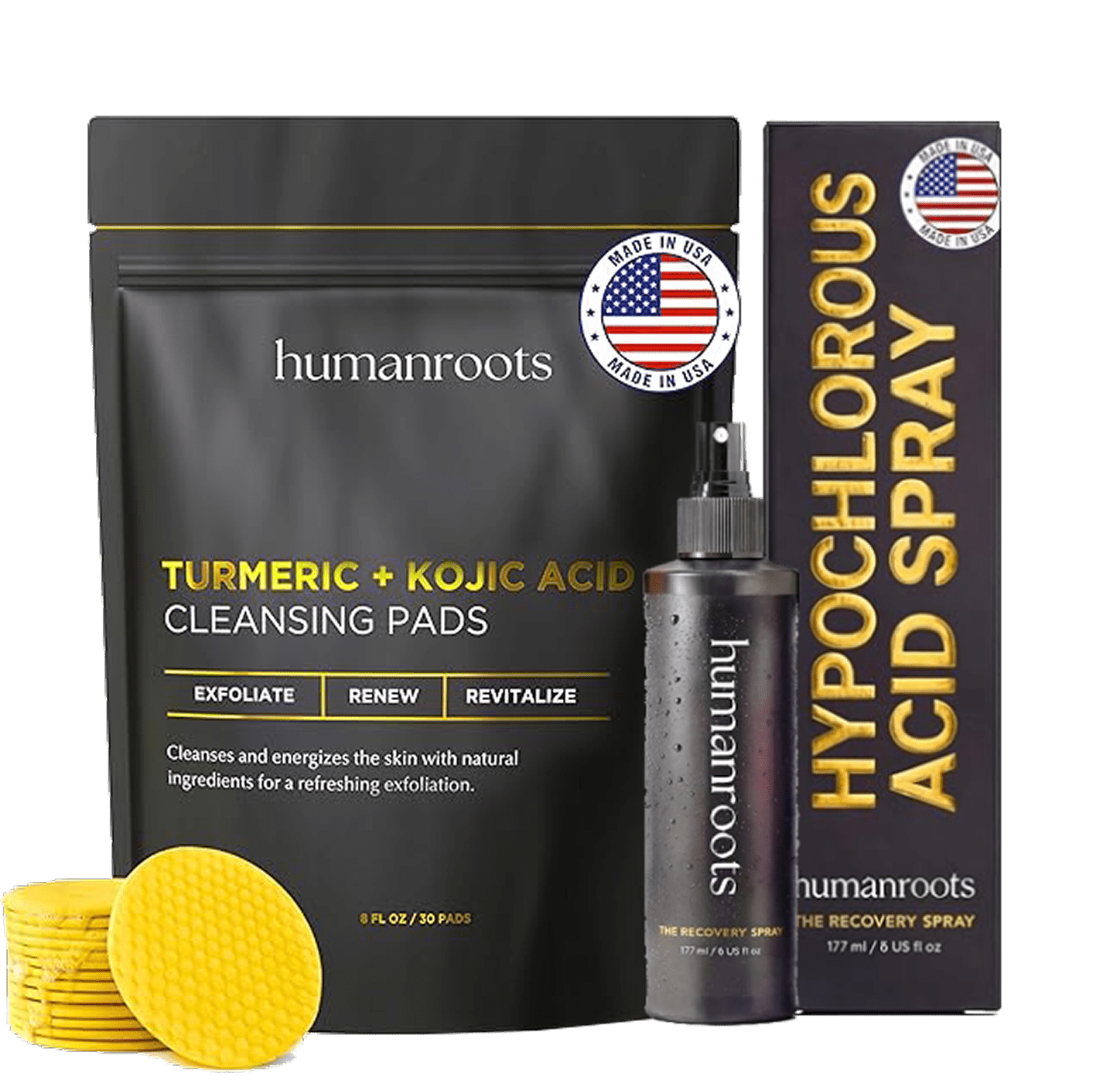
Results take patience, but steady use and honest tracking can help you see what your skin needs. Sarah M. shared that after a couple of weeks her skin looked less reactive and felt more calm and under control. Your own timeline may differ, so give your routine a fair chance and check in with your skin every few weeks.
Next step: Start with one simple routine, track it for at least six weeks, and see how your skin responds. humanroots products like the Clear Skin Duo are designed to fit into everyday life, making it easier to stay consistent long enough to see real change.
Frequently Asked Questions
How long does it take to see results from a skincare routine?
Most people need consistent use for several weeks before noticing change. Many skincare ingredients take about four to six weeks to show visible effects, because skin cells take roughly four weeks to turn over. Some concerns, such as dark spots or fine lines, can take three months or longer. Give a new routine at least a full cycle before deciding whether it works, and change only one product at a time so you can tell what is helping.
How do I know if my skincare routine is working?
Look for gradual, measurable changes rather than dramatic overnight shifts. Signs of progress include calmer redness, fewer new breakouts, more even tone, and skin that feels more comfortable. Take a photo in the same light once a week to track changes you might miss day to day. If your skin is getting worse, stinging persistently, or not improving after about 12 weeks, stop the product and talk with a dermatologist.
How long does it take for skincare to absorb?
Most lightweight products such as serums, toners, and moisturizers absorb within a minute or two when applied to clean, slightly damp skin. Thicker creams can take several minutes. Wait a short moment between layers so products do not pill or dilute each other. Absorption time does not indicate effectiveness, so focus on consistent daily use rather than how quickly a product sinks in.
How long to see skincare results for wrinkles?
Fine lines and wrinkles usually respond slowly. Consistent use of gentle, well-tolerated products may show smoother-looking skin in about 8 to 12 weeks, with more noticeable change over several months. Daily sunscreen use is one of the most important habits, since sun exposure is a major driver of visible aging. Results vary with age, skin type, and habits, so set realistic expectations and track progress over time.
